Last Updated: August 13, 2026
Introduction
A dementia diagnosis doesn’t mean an end to engaging and meaningful activities. In fact, staying active – mentally, physically, and socially, can help improve wellbeing, boost self-esteem, and create moments of joy. Whether it’s music, art, exercise, or simple reminiscence, finding the right activities can make a huge difference in maintaining cognitive function and emotional connection.
In this article, we’ll explore ten engaging activities tailored to different stages of dementia, helping individuals stay stimulated, connected, and fulfilled. These activities can be adapted to suit personal interests and abilities, ensuring that every day holds opportunities for enrichment.
1. Music therapy
For a person living with dementia, listening to music can create a powerful link to a memory or time in their life. Dementia UK has found that listening to music can reduce blood pressure, heart rate, anxiety and pain, whilst improving a person’s cognitive abilities, including speech and concentration (2023)
If the person is able, adding the element of singing or instruments can make the activity more engaging. Charities like Music for Dementia and Our Dementia Choir provide a community for people living with dementia to come together and sing.
Music therapy can particularly help people experiencing late stage dementia, as they may not be able to engage with complex activities, such as puzzles and exercising. Using a music streaming service or charities like Playlist for Life, you can build a playlist of songs from your loved one’s life that evoke happy memories. Although, if they become distressed by a song, turn it off and take a break from the activity.
2. Art projects
Starting a new art project can help a person living with dementia to express themselves through a new medium. During the early stages, creative activities such as colouring books, crocheting, knitting and painting are excellent ways to keep a person with dementia cognitively engaged.
Art projects don’t have to be limited to painting or colouring. Try experimenting with different mediums, such as clay, tie-dye or glass painting. Tactile stimulation has been proven to help people with dementia. Organisations like Arts for Dementia offer online and in-person art activities, enabling people to connect and create together.
Displaying completed artwork around the home can be a self-esteem boost for a person with dementia, and a conversation topic too.
3. Exercise
Exercise is important for people with dementia and there are several activities that can be undertaken based on the stage and abilities.
For an able person with dementia, activities such as cycling, running and team sports. Before undertaking these types of activities, it is important to consult a GP, especially if the person with dementia hasn’t completed these types of activity before.
Walking, going to the gym, golf and tennis are moderate activities that a person with dementia could undertake. These can be adapted depending on the person, for example, for golfing, a golf cart could be used to reduce the amount of walking, or visiting a smaller course with less holes.
Yoga (adapted to chair yoga if required), indoor bowls and skittles, tai chi and household tasks are forms of gentle exercises that still have health benefits for a person with dementia. Seated exercises are a great alternative for people who want to exercise, but struggle to stand for periods of time.
However, it is important to consider that a person living with dementia may not consume enough water, so take regular recovery breaks and encourage them to drink. Regular physical activity can improve balance, mobility, and mood in people with dementia, according to the World Health Organisation (2023).
4. Reminiscence activities
Taking time to reminisce is a powerful activity for a person with dementia. Looking through family photo albums is an easy way to do this, and asking simple questions can help the person remember occasions, holidays and special people. Take time with your loved one to discuss special memories they may have, which can help their cognitive health and evoke comforting memories.
A life storybook is an interactive way for a person with dementia to tell their story, especially if they are in the early stages. Companies such as The Memory Book and My Life in a Book are online options that offer personalised books.
Be mindful of potentially upsetting memories; it’s often helpful to have a caregiver or trained professional guide these conversations.

5. Puzzles and games
Providing cognitive stimulation to a person with dementia is important, especially if they are in the early – mid stages, so completing engaging activities, such as large jigsaw puzzles is important.
Companies like Relish stock a range of activities, based on the dementia stage a person is. These activities can help a person with dementia keep engaged, while helping their cognitive skills. Simple word games, like word searches and crosswords are great for cognitive health, and dementia friendly alternatives are available.
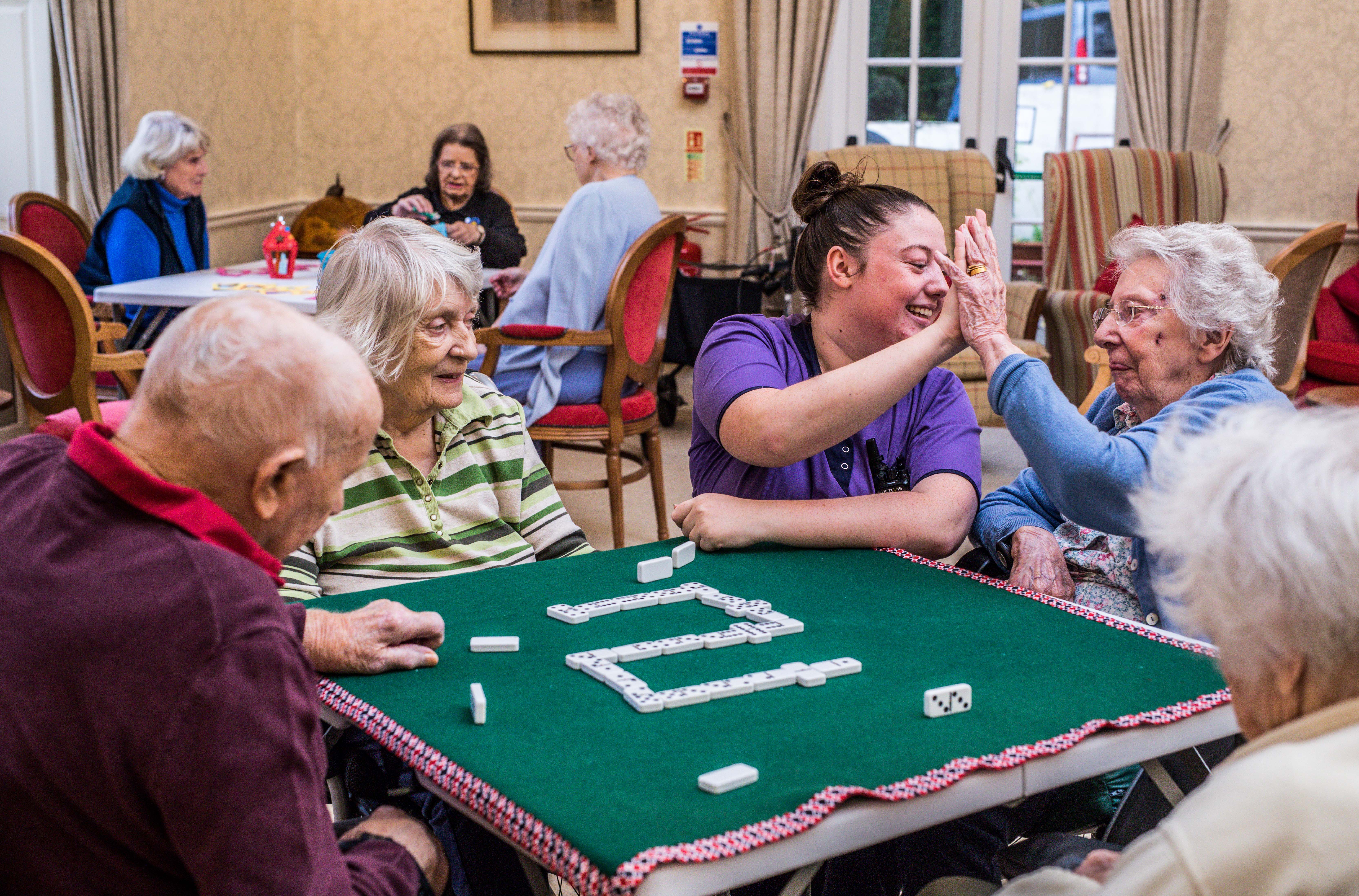
Board games, like snakes and ladders, snap, and dominos have simple rules, making them easy to play with family members. Snap and other memory games are good mind stimulants during the early stages, as they can encourage strategic thinking.

6. Gardening
Getting outdoors is important for a person with dementia, and it has been found to improve mood and mental wellbeing. Spending time outdoors increases vitamin D exposure (don’t forget the suncream), and is an opportunity for a person with dementia to have regular exercise that isn’t strenuous. When winter arrives, take the gardening indoors, with smaller plants and herbs, which can still provide mental stimulation.
Simple gardening tasks, like planting seeds, watering, weeding or dead-heading are practical activities that can be completed. These tasks can give a person with dementia a sense of accomplishment.
If the space is available, try creating a sensory garden with a range of fragrant plants and colourful flowers. Try using plants like herbs, lavender, sweet peas and hyacinths to add a range of scents, and primroses, violas, tulips, dahlias and sunflowers can add colour to the space. Water fountains add an element of sound to the garden, making the space calming. Adding a bench creates a perfect spot to relax and enjoy the garden. If your loved one is able, encourage them to take part in the gardening process, they’ll gain a sense of accomplishment once the project is complete. Gardening has been shown to reduce agitation and improve mood in individuals with dementia (Murroni et al., 2021)
7. Cooking and baking
During the early stages of dementia, getting creative in the kitchen can be a fun activity for a person, although you should start simple with preparation tasks, such as weighing, pouring, peeling, chopping (If they are able). As dementia progresses, it is important to re-evaluate the activities your loved one is undertaking in the kitchen, particularly for supervision in the kitchen and avoiding sharp tools and heat hazards.
Try preparing familiar dishes together, these could be recipes from their childhood or family recipes that they made in the past. Preparing these together is a great way to ask simple questions, such as “what did you like to eat when you were younger?”, “did you like to cook with your parents?” and “what meals did you like to cook when I was younger?”.
Occupational approved adaptive utensils can help a person with dementia and motor challenges cook in the kitchen. When eating, adaptive cutlery can help them eat more comfortably.
Cooking has several sensory experiences for a person with dementia, as they can feel, smell and taste the foods. They may also feel a sense of accomplishment by making a meal, especially if it is enjoyed as a family.
8. Sensory stimulation activities
During the advanced stages of dementia, your loved one may be less mobile than before, require more assistance and sleep more so using sensory toys is a gentle physical activity that supports their mental wellbeing. Sensory toys, such as the Fidget Widgets, developed by Relish in collaboration with the Alzheimer’s Society and University of Central Lancashire, are specifically designed for people in the mid to late stages of dementia. Each toy is a different action that needs to be completed, so it provides a simple form of mental stimulation.
Sensory boxes can be made with a range of tactile objects, family mementos or pictures and have been shown to reduce agitation and improve overall wellbeing. These can be helpful for individuals who may have difficulty with verbal communication, as they can provide a non-verbal form of interaction and engagement.
9. Animal-assisted therapy
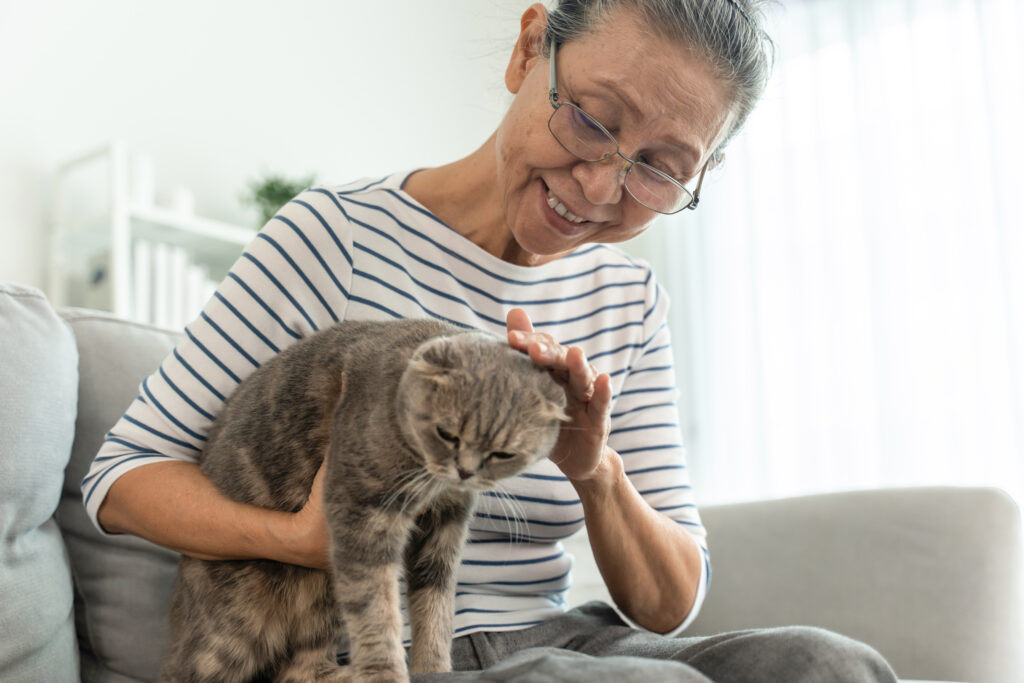
Filan and Llewellyn-Jones (2006) found that animal-assisted therapy reduces anxiety and improves social interaction among people with dementia. If your loved one is able, try visiting a dementia group, as they may regularly use animal therapy to support. Dementia groups are a good way for people with dementia to socialise and it can also be a support network for carers as well.
During the earlier stages, keeping a pet can help a person keep a sense of routine and boost their confidence, although, as dementia progresses, it’s important to reassess whether they can continue caring for the pet, with support from family or professionals.
10. Reading and storytelling
Reading is enjoyed throughout generations, so it shouldn’t be stopped by the onset of dementia, it may mean your loved one has to change the way they read. If they struggle to read longer passages in a book, try short stories, poetry, or articles in the newspaper. Alternatively, if they are struggling to read, larger prints, e-Books and audiobooks can be a great alternative, allowing them to still get engrossed in a story.
Joining a reading group can help a person with dementia meet others in a similar position. Local libraries may hold these activities, or, alternatively, Dementia the Montessori Way have developed a range of books for people with dementia.
Reading Well also provides dementia friendly books, available in libraries, all which are recommended by health professionals.
Storytelling with family members helps people with dementia recall past events and experiences while allowing their loved ones to learn more about their lives. Consider asking simple questions, such as “where did you grow up?”, “what was your favourite activity as a child?” and “What was your first job?”. However, if they become agitated or upset, gently change the subject or take a break.
Tips for choosing activities
Occupational therapists recommend choosing activities that align with a person’s past interests and remaining abilities. However, there are considerations that should be made before undertaking a new activity, such as:
- Only start a new activity if your loved one is having a good day.
- If your loved one has never been interested in a certain activity before, it is unlikely they would be interested following a dementia diagnosis.
- Select activities based on the stage of dementia your loved one has.
- Before starting an activity, consider the adaptations that may have to be made.
- Remember to stop an activity or take a break if your loved one becomes distressed.
- Monitor their reactions, and if they enjoy the activity, then you know to repeat it.
Conclusion
Undertaking meaningful activities can enhance the quality of life for individuals living with dementia. Whether through music, art, exercise, or reminiscence, these activities provide opportunities for stimulation, connection, and enjoyment. By tailoring activities to a person’s abilities and interests, you can create enriching experiences that promote cognitive function and emotional wellbeing.
It’s important to be flexible, patient, and responsive to their needs, adapting activities as their condition progresses. Even small moments of engagement can make a big difference, bringing joy and comfort to you and your loved one with dementia.
Resources
Dementia UK (2023) Music and Dementia. Available at: https://www.dementiauk.org/information-and-support/living-with-dementia/music-and-dementia/ (Accessed: 3 March 2025)
Filan, S.L. and Llewellyn-Jones, R.H. (2006). Animal-assisted therapy for dementia: a review of the literature. International Psychogeriatrics, 18(4), pp.597–611. Available at: https://doi.org/10.1017/s1041610206003322.
Murroni, V., Cavalli, R., Basso, A., Borella, E., Meneghetti, C., Melendugno, A. and Pazzaglia, F. (2021). Effectiveness of Therapeutic Gardens for People with Dementia: A Systematic Review. International Journal of Environmental Research and Public Health, [online] 18(18), p.9595. Available ati: https://doi.org/10.3390/ijerph18189595.
World Health Organisation (2023) Dementia. Available at: https://www.who.int/news-room/fact-sheets/detail/dementia (Accessed: 25 March 2025)