Last Updated: May 1, 2026
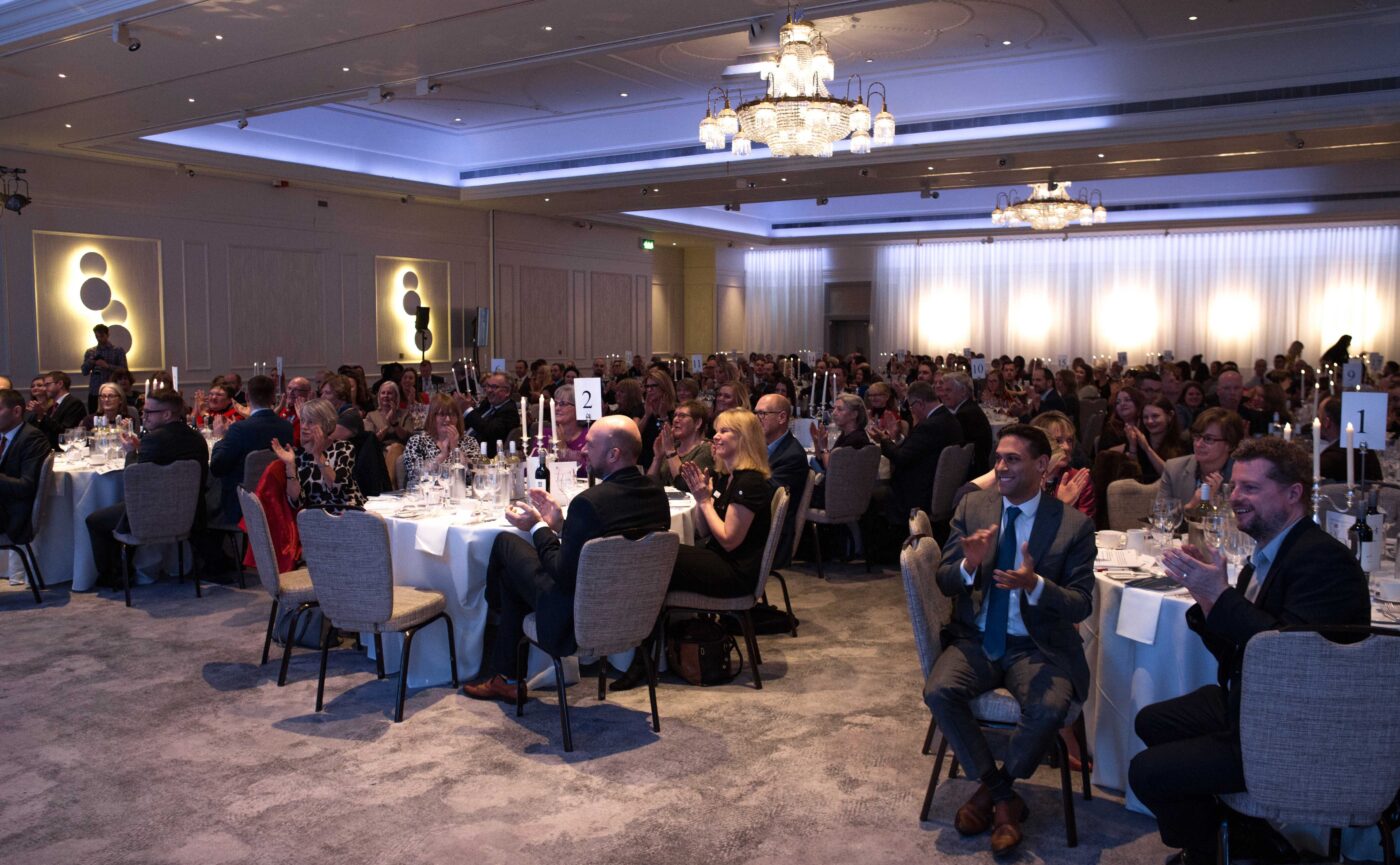
Regardless of age, hobbies can enrich people’s everyday lives. For elderly people who may have more time to fill following retirement, hobbies not only bring enjoyment, but help break up the day and provide social interaction – something crucial for your mental health. They can in some cases bring the benefit of physical activity, but are also important as a means of keeping the mind stimulated. In this article, we look at 7 engaging senior hobbies to promote well-being.
Some popular hobbies for older people include gardening and arts and crafts. Pet ownership can even be considered a hobby – the companionship and sense of wellbeing that come from looking after a pet is extremely rewarding. Whereas more unusual hobbies for seniors include things like video games.
Whilst many hobbies are group based or organised activities, there are also many things for bored seniors to do alone. Researching family history, puzzles and crosswords, or simply reading a book. Older adults can take advantage of the internet for online hobbies too.

Image by pvproductions on Freepik
Knitting/crocheting
Knitting is a creative pastime. Essentially, it involves interconnecting loops of wool to form a stretchy fabric. It is a popular hobby for making clothes and accessories. While you may think of it as a solely creative pursuit, it’s also a great exercise for your brain. In fact, research from Mayo Clinic says knitting can reduce the risk of age-related cognitive impairment by up to 30%.
The benefits
Knitting has positive health benefits, both physical and mental. The same is true for crochet and needlepoint. The rhythmic, repetitive actions of knitting can help reduce stress and anxiety while the attention required to complete complex patterns and keep count of stitches is an exercise for your brain.
Knitting can:
- Lower blood pressure
- Reduce the risk of cognitive decline
- Distract from chronic pain
- Increase sense of wellbeing
For further reading, the Knit for Peace initiative has a wealth of information on the benefits of knitting and needlework.
Getting started
Knitting is relatively low cost and unlike other craft activities, requires only a few tools and supplies: knitting needles and yarn. Knitting patterns are available for free or purchase online, or at your local yarn shop.
Finding knitting/crocheting clubs near you
You can often find details of knitting groups via local libraries, citizens advice or even wool shops/hobbycraft. The website UKhandknitting.com has a search function to find groups near you, as well as a range of free patterns and tips for beginners.
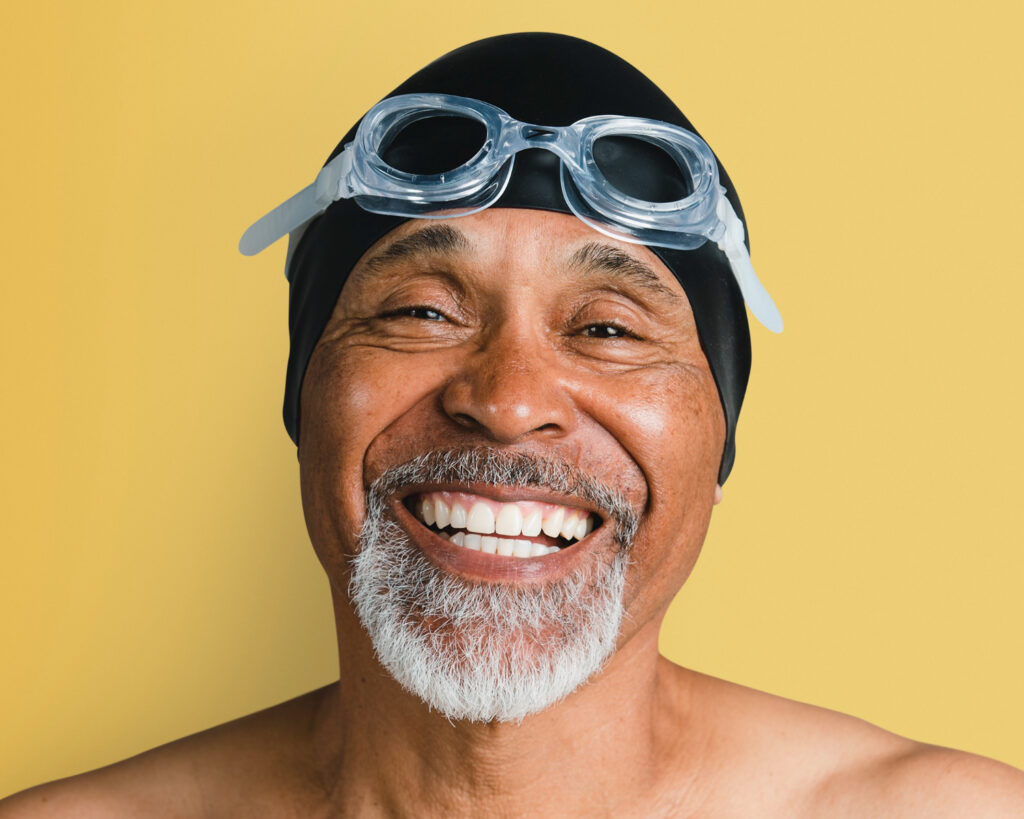
Image by rawpixel.com on Freepik
Aquafit/Water Aerobics
Aquafit is a fun, full-body, low-impact group workout suitable for all levels of fitness. The fact that it takes place in the water reduces the strain on joints making it particularly suitable for elderly people, those recovering from injury, and people with joint conditions like arthritis. Some people think aqua aerobics is a soft option, but participants typically burn between 400 and 500 calories in each session.
Benefits of Aquafit
As a physical exercise, water aerobics will improve your fitness levels. It can help you build muscle, lose weight and improve flexibility. Additionally, exercise is well documented to improve mental wellbeing
Aquafit or water aerobics can:
- Improve flexibility
- Improve cardiovascular health
- Strengthen/ tone muscles
- Relieve stress and boost your sense of wellbeing
- Combat loneliness and isolation
Find your nearest water aerobics class
You can try looking for water aerobics classes for older adults at public pools, gyms, or other fitness centres.

Image by freepik
Puzzles / Crosswords
Puzzles of all types are a popular pastime among the elderly. Not only are they fun, but they also deliver a variety of surprising health benefits. Whilst there has been much talk of whether or not this type of activity can ‘fight off dementia‘, solving cryptic crosswords does give your brain a good workout.
Benefits of puzzles for the brain include:
- Improved memory
- Better mood and reduction in stress
- Sense of achievement
Taking up puzzling
Another low-cost and easily accessible hobby, you can pick up puzzle magazines in almost any newsagent or supermarket and start at home. Puzzling and crossword type games can also be a group activity – important for maintaining social connections and reducing loneliness.
Find local groups
Local community groups and churches often run coffee and quiz mornings or similar. These provide a way of meeting people, having a chat and taking part in quizzes, puzzles, board games, or cross word activities. You can find details of groups running in your local area in our Care Service Directories here. You can also find local groups via Age UK.

Image by master1305 on Freepik
Walking Groups
The NHS recommends older adults should do some type of physical activity on a daily basis. They state that exercise can reduce your risk of major illnesses, such as coronary heart disease, stroke, type 2 diabetes and cancer, and lower your risk of early death by up to 30%.
Often overlooked, walking is a free and easy way to get more active. What’s more, walking in a group is a great way to make new friends and stay motivated.
The benefits of walking
Physical activity benefits both your physical and mental health. As part of a walking group you can:
- Get out and about
- Meet new people and socialise
- ‘Walk for Health’
Join a walking group
Easy, simple and free, walking requires little to no preparation or equipment. You can start alone or join a walking group like Ramblers. Ramblers is Britain’s walking charity. The website has resources including routes to group walks you can join. Their ‘Wellbeing Walks’ which are shorter, group-based walks ideal for when you are starting out.
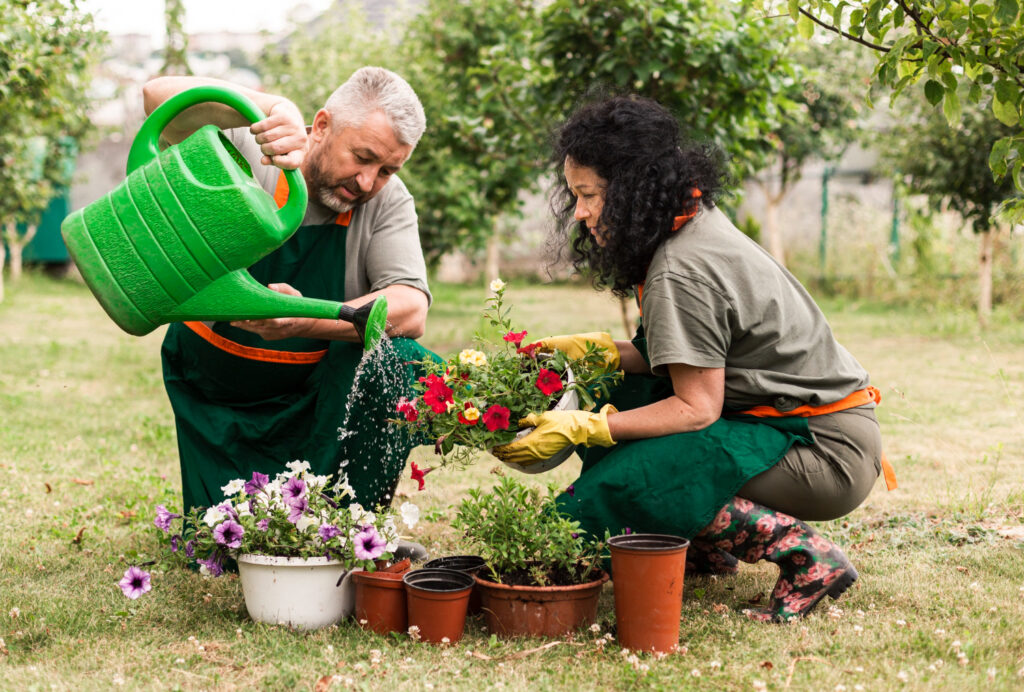
Image by master1305 on Freepik
Gardening
Gardening is a great way for the elderly to get outdoors and get more active but it is maybe most valuable as a way to relax and lower stress levels. Just being in nature through gardens and gardening activities can enhance psychological well-being. Furthermore, gardening doesn’t have to be done alone. In fact, it’s a great way to meet people, get involved in the community, and connect with different generations
Benefits of the great outdoors
- Improves wellbeing
- Reduces stress
- Gives a sense of accomplishment
- Gets you moving and more active
- Connect with nature
Getting started gardening
Creating a garden that is easy to access and enjoyable is very important for elderly people. Ideally you want a space where you can move easily and access all areas comfortably, so you may need to think about pathways and things like raised beds, or container gardening (like hanging baskets) which cut out the need for bending.
You may want to invest in special gardening equipment – lightweight tools with adjustable handles for longer reach (again so you don’t have to bend down), or garden seats or ‘kneelers’ which provide a padded area to protect your knees.
Not everyone has a garden but that doesn’t have to stop you from taking this up as a hobby. There are community gardens as well as schemes via local allotments you can take advantage of. Find these and other resources via the RHS website.

Image by freepik
Learning a new language
Languages can be a great hobby for the elderly. What’s more, people tend to get the best results learning a language when they are able to dedicate time to it. If you’re retired and looking for something to fill your time, this could be a great choice!
Benefits of learning a new language
The International Center for Language Studies states that learning a new language strengthens memory, enhances problem-solving skills, and promotes mental sharpness. Learning a new skill engages the brain, and if you are learning in a class, you can also enjoy the social aspect that comes with being a part of a group.
Learning a language – where to start
You can join a local language class, details of these can often be found online, in your local library, or local paper. There will be a fee involved for classes, however you will also get the social aspect from being part of a group that meets in the flesh. Another option is to try out one of the free online options for language learning. Some good ones to try include Duolingo and Memrise.

Image by wavebreakmedia_micro on Freepik
Sheds
No, we aren’t just talking your regular garden shed here, Sheds in this instance are a group that meet regularly for social connection, company and camaraderie and who undertake various activities such as woodworking, metalworking, and model building. Sheds typically attract older men, but many have younger members and women too.
The benefits of joining a Shed
According to the Men’s Sheds Association, 75% of people felt less anxious after joining a Men’s Shed.
Sheds encourage people to come together:
- Improving wellbeing
- Reducing loneliness
- Combatting social isolation
Want to become a ‘Shedder’?
The UKMSA website has a whole host of information about Shedding and how you can get involved – whether this be starting your own Shed or joining one locally. Use their helpful interactive map to find a local community Shed near you.
Conclusion
Hobbies don’t have to be outlandish or overly organised, they can be as simple as pastimes like card games with friends, using social media, or researching your family tree. It is important for your wellbeing as you age to maintain and explore your interests. Hobbies are a great way of keeping the mind engaged.
In summary, whether you choose indoor hobbies like a book club or learning a musical instrument, or outdoor hobbies with a focus on the physical like tai chi, hobbies are important for mental stimulation and enjoyment.