Last Updated: August 13, 2026
Volunteering later in life can be more than just a way to pass the time. It’s a chance to feel valued, make new friends, and give back to the community. For many people over 60, it becomes a lifeline, offering purpose and meaning at a stage when routines often slow down. Across the UK, thousands of older adults are finding fulfilment through voluntary work, whether that’s helping out in a charity shop, supporting local schools, or even volunteering from home.
This guide explores the many volunteering opportunities available, why they matter, and how to find a role that’s both rewarding and manageable.
Why volunteering matters in later life
Volunteering can transform later life in ways that go far beyond the obvious. Research shows that 42% of people aged 65–74 took part in volunteering in 2023, either formally or informally (GOV.UK). That’s almost half of this age group actively giving their time and energy to causes they care about.
The impact is significant. Volunteering reduces loneliness, helps build confidence, and supports mental wellbeing. According to Age UK, older adults who volunteer regularly have a 22% lower risk of depression (Age UK). Beyond the personal benefits, volunteering by over-65s contributes around £10 billion to the UK economy every year (NCVO).
Perhaps most importantly, volunteering allows people to feel connected again. For those who’ve lost a partner, stopped working, or seen their social circles shrink, it provides new reasons to get out of the house consistently.
What makes a role suitable?
Not every role will be right for every person. Volunteering opportunities for older adults need to strike a balance between being meaningful and being manageable. A suitable role often:
- Matches interests and passions, whether that’s gardening, history, animals, or teaching.
- Allows flexibility, especially for those with health conditions or caring responsibilities.
- Provides social interaction without being overwhelming.
- Offers the right level of physical activity. Some may enjoy being active outdoors, while others may prefer roles that are less demanding.
The best opportunities don’t just fill time; they leave people feeling energised rather than drained.

Popular volunteering roles for the elderly in the UK
Across the country, several organisations welcome elderly volunteers. Here are some of the most popular options.
Charity Shops
Charity shops remain one of the most common entry points into volunteering. Whether sorting donations, serving customers, or organising displays, the work is hands-on and sociable. Many older volunteers describe it as a way of feeling part of a team again.
For example, Margaret, 71, volunteers twice a week in her local British Heart Foundation shop. “I was nervous at first,” she admits, “but I’ve made such good friends. It’s not just about raising money for a cause, it’s about having somewhere to belong.”
Museums
Museums across the UK rely heavily on volunteers, many of whom are over 60. Roles range from welcoming visitors to sharing knowledge about exhibits. For history lovers, this can be a dream opportunity.
The National Museum Cardiff, for instance, runs volunteer programmes that attract retired teachers, librarians, and local residents who want to keep learning while contributing (National Museum Cardiff).
National Trust and English Heritage
For those who enjoy history, culture, and the outdoors, volunteering with the National Trust, English Heritage, or stately homes can be an ideal choice. Opportunities range from welcoming visitors and leading guided tours to maintaining historic gardens or helping with seasonal events. Some volunteers also support exhibitions, assist in tea rooms, or lend a hand at special open days.
These roles combine gentle exercise with social interaction and the satisfaction of preserving some of Britain’s most treasured places. Many over-60s find particular joy in sharing stories about the history of a house or estate, helping visitors feel connected to the past.
John, 68, a retired postman, volunteers at a National Trust site in Devon. “It’s kept me active,” he explains. “And it feels good to know I’m helping protect these places for future generations.”
Animal Shelters
Many animal charities welcome older volunteers, particularly those who love pets. The Cinnamon Trust, for example, helps people who are elderly or terminally ill care for their animals. Volunteers might walk dogs, foster pets, or simply visit to provide reassurance (The Cinnamon Trust).
This kind of role can be especially fulfilling for people who’ve lost a pet but still want animals in their lives.
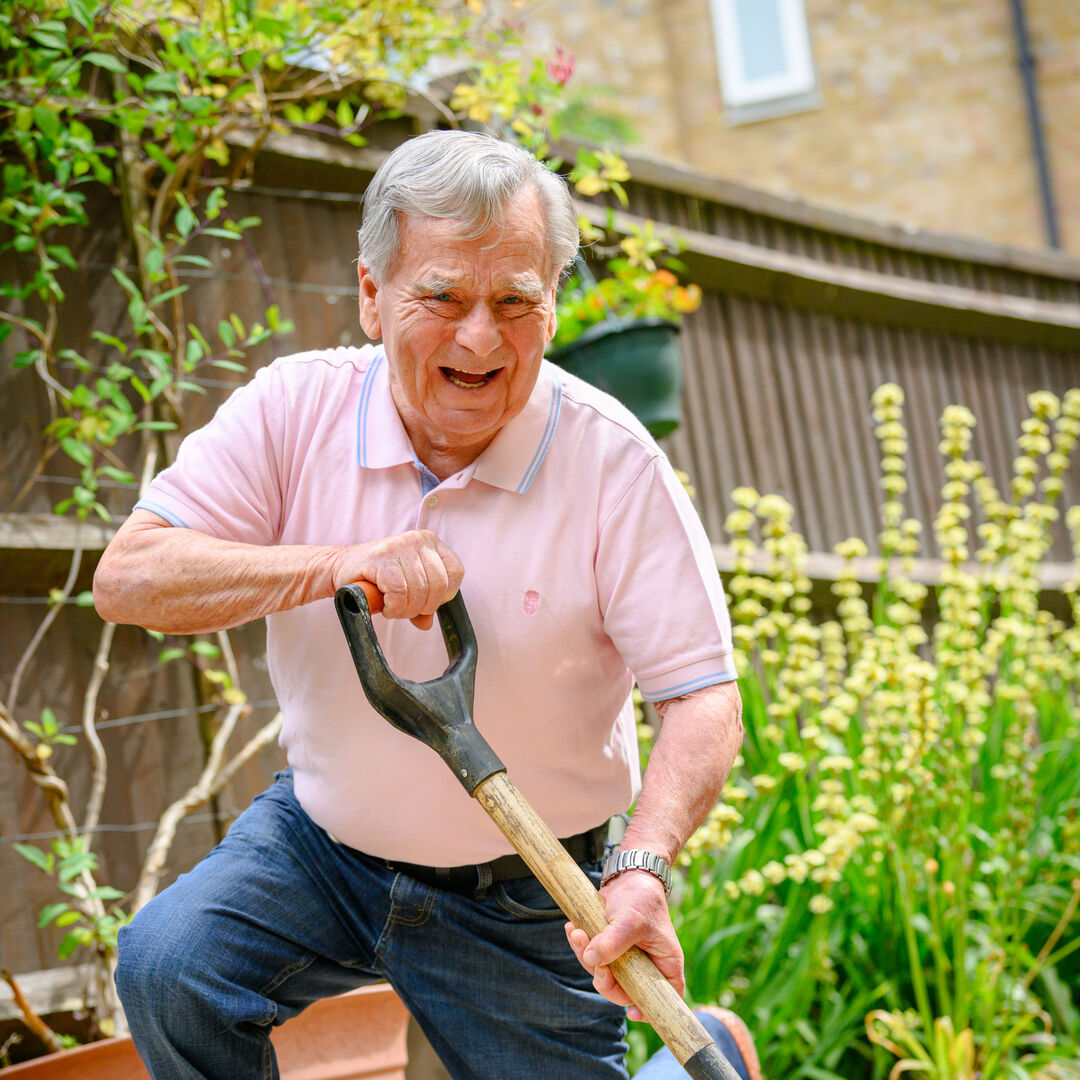
Community Gardens
Gardening has proven health benefits, from reducing stress to improving mobility. Community gardens and allotments are always on the lookout for extra help. The Royal Horticultural Society supports hundreds of local projects across the UK where volunteers can plant, weed, and share knowledge.
Beyond the gardening itself, these roles create opportunities to meet people and stay active in a relaxed, non-pressured setting.
Hospitals
NHS hospitals often have volunteer programmes, with roles ranging from greeting visitors at reception to befriending patients. For many over-60s, it’s a chance to make a direct difference in people’s lives while supporting the stretched healthcare system.
Hospital volunteering can be emotionally demanding, but it also provides a strong sense of purpose and belonging.
Schools
Volunteering in schools allows older adults to pass on knowledge and encouragement to younger generations. This could be through reading schemes, mentoring, or helping with after-school activities. Many schools actively welcome retired teachers and professionals who want to give something back.
The intergenerational connections formed here can be rewarding, often reminding older volunteers of their own families and communities.

Volunteering from home: options for older adults
Not everyone is able to leave home regularly. There are plenty of remote volunteering opportunities for older adults. This can include:
- Telephone befriending for lonely people.
- Offering online mentoring or tutoring.
- Helping with administrative work for charities.
- Crafting items, like knitted blankets, to donate to hospitals or shelters.
These roles are flexible and can be fitted around health needs or mobility issues. For those who may not drive or prefer quieter environments, volunteering from home means they can still make a difference.
Health and social benefits of volunteering after retirement
The benefits of volunteering in retirement are well documented. Physically, it encourages movement and reduces the risks linked with inactivity. Mentally, it keeps the brain engaged, particularly in roles that involve problem-solving, memory, or communication.
Socially, volunteering is one of the most effective ways to combat loneliness. With one in three older people reporting feelings of isolation, volunteering offers genuine human connection (Volunteer Now).
Volunteers often report feeling more confident, more capable, and more optimistic. In later life, when losses and changes can sometimes overshadow the positives, this sense of contribution is invaluable.
How to find local elderly volunteering opportunities
Finding local volunteering options in the UK has never been easier. Some starting points include:
- Age UK: offering roles tailored for over-60s.
- Royal Voluntary Service: specialising in community-based volunteering.
- Doit.life: a national volunteering database.
- NCVO: providing resources and advice for volunteers.
- Local councils: often advertise opportunities in community centres, libraries, and on council websites.
Tips for getting started as an older volunteer
Taking the first step can feel daunting, but most organisations are very supportive. A few tips can make the process easier:
- Start small: try one shift a week and build up if it feels right.
- Be honest about limitations: organisations will match roles to ability and availability.
- Focus on interests: choosing something enjoyable increases the likelihood of sticking with it.
- Ask questions: most groups will be happy to explain what’s involved and offer training.
- Give it time: it may take a few weeks to settle in.
Remember, volunteering should feel rewarding, not burdensome.
Final thoughts
These volunteering opportunities aren’t just about helping others; they’re about creating a richer, more connected life after retirement. Whether it’s greeting visitors at a museum, planting in a community garden, or befriending someone over the phone, these roles provide meaning and joy.
For the over 60s, volunteering is one of the simplest yet most powerful ways to stay active, valued, and connected. And in giving their time, older volunteers often find they gain just as much in return.