Last Updated: August 13, 2026
Changes in mobility can happen gradually or arrive suddenly following illness, injury or surgery. For some people, reduced mobility is temporary. For others, it becomes part of everyday life as they age or live with a long-term condition. Whatever the cause, changes in mobility can affect far more than physical movement. They can influence confidence, independence, mental wellbeing and overall quality of life.
Mobility equipment exists to support people through these changes. When chosen correctly, the right mobility aids can help people stay active, safe and independent for longer. Rather than limiting life, modern mobility equipment is designed to remove barriers and restore freedom. Here, Fen Mobility Centre – an independent provider with 30 plus years experience in providing mobility products, goes through some of the different types of equipment available, their benefits, and how to choose solutions that genuinely support individual needs.
Supporting independence at home and in the community
One of the most significant benefits of mobility equipment is the way it supports independence. When mobility becomes difficult, even simple tasks can start to feel overwhelming. This often leads to increased reliance on family members or carers.
The right mobility equipment can help restore independence. Walking aids, scooters and home adaptations allow people to move more freely and continue doing the things that matter to them, from visiting friends to running errands or enjoying time outdoors.
Reducing the risk of falls and injuries
Falls are a major concern for people with reduced mobility. Even a minor fall can result in injury, loss of confidence and a fear of moving around independently.
Mobility equipment is designed to improve balance, stability and safety. Walking frames, grab rails, stairlifts and bathroom aids all help reduce the risk of falls. Feeling safer encourages people to stay active, which in turn supports physical and mental health.
Making everyday activities easier
Many people struggle not with long journeys, but with everyday tasks such as standing up from a chair, climbing stairs, bathing or getting in and out of bed.
Mobility equipment reduces physical strain, conserves energy and helps people manage pain and fatigue more effectively. This can make a significant difference to comfort and overall quality of life.
Supporting mental wellbeing and confidence
Reduced mobility can affect mental wellbeing just as much as physical health. People may feel frustrated, anxious or socially isolated if they worry about coping or fear losing their independence.
By enabling safer movement and greater confidence, mobility equipment helps people remain socially connected and engaged. Maintaining independence and routine plays an important role in emotional wellbeing.
Helping people stay in their own homes for longer
For many people, staying in their own home is extremely important. Mobility equipment can make this possible by adapting the home to changing needs.
From stairlifts and ramps to adjustable beds and riser recliner chairs, the right equipment can reduce the need for major lifestyle changes or residential care.
Common Types of Mobility Equipment and Aids
There is a wide range of mobility equipment available, designed to support different levels of mobility and different lifestyles. Understanding the main options can help people identify what may be most beneficial.
Walking aids
Walking aids are often the first step when mobility begins to change. They provide additional balance and stability, helping people feel more secure on their feet.
Walking sticks can support balance and posture, while crutches are often used following injury or surgery. Walking frames and rollators offer greater stability and are suitable for people who need consistent support when walking indoors or outdoors.
Wheelchairs
Manual wheelchairs are commonly used by people who can self-propel or who have assistance from a carer. They are suitable for short trips, occasional use or situations where walking long distances is difficult.
Choosing the right wheelchair involves considering comfort, weight, ease of manoeuvring and how the chair will be transported or stored. Correct sizing is essential to prevent discomfort and strain.
Powerchairs
Powerchairs provide powered mobility for people who require greater support or who are unable to self-propel a manual wheelchair. They offer increased independence, particularly for regular use indoors or outdoors.
Powerchairs are available with a wide range of seating systems, controls and positioning options designed to improve posture, comfort and accessibility. Selecting the right model requires careful consideration of individual needs and the environments where it will be used.
Mobility scooters
Mobility scooters are a popular solution for maintaining independence outside the home. They allow people to travel further with less fatigue, making shopping, social visits and appointments more accessible.
Scooters range from lightweight travel models to larger scooters designed for longer journeys. Choosing the right scooter depends on lifestyle, confidence levels, storage space and transport needs.
Fen Mobility Centre has produced a detailed guide to help people explore this option
Riser recliner chairs
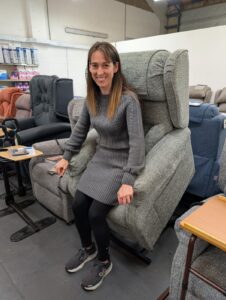
Riser recliner chairs are designed to support comfort, posture and safe movement when sitting and standing. They gently lift the user to a standing position, reducing strain on the knees, hips and back.
These chairs are particularly beneficial for people who struggle to stand from a seated position or who spend long periods sitting. Riser recliners can improve comfort, reduce fatigue and support independence within the home.
Choosing the right chair involves considering seat height, cushioning, support and control options. Trying chairs in person often makes a noticeable difference to comfort and suitability.
Adjustable electric beds
Adjustable electric beds support comfort, circulation and safer movement in and out of bed. Sleeping positions can be adjusted at the touch of a button, helping to reduce pain and improve rest.
These beds are often beneficial for people with joint pain, circulation or respiratory conditions, as well as those who struggle with bed transfers. Adjustable beds can also make caring easier and safer for partners or carers.
Home mobility equipment
Home adaptations can significantly improve safety and accessibility. Stairlifts allow continued access to all levels of the home, while ramps improve access for wheelchairs and scooters.
Smaller adaptations such as handrails and threshold ramps can remove everyday obstacles that might otherwise limit movement or confidence.
Bathroom and daily living aids
Bathrooms are one of the most common areas for falls. Equipment such as grab rails, shower chairs and raised toilet seats can greatly improve safety and independence.
Daily living aids can also support tasks such as dressing, cooking and household chores. While often simple, these aids frequently have a large impact on quality of life.
Choosing the Right Mobility Equipment for Your Needs
Mobility equipment works best when it is tailored to the individual. The right choice depends on physical ability, lifestyle, home environment and future needs.
Why personal assessment matters
Everyone’s mobility needs are different. Strength, balance, endurance and confidence all influence which equipment will be most suitable.
Professional advice helps ensure equipment provides real support rather than creating new challenges. A holistic assessment considers how equipment will fit into everyday life, not just physical measurements.
Considering your home and daily routine
Home layout plays an important role when choosing mobility equipment. Door widths, staircases, flooring and storage space can all affect suitability.
Daily routines matter too. Someone who goes out regularly will have different requirements from someone whose mobility challenges are mostly within the home.
The importance of trying equipment in person
Buying mobility equipment online without guidance can be risky. Incorrect sizing or unsuitable features can lead to discomfort and frustration.
Trying equipment in person allows people to assess comfort, ease of use and confidence. It also provides an opportunity to ask questions and receive practical advice.
Many people find that seeing and trying equipment in person makes a significant difference to their confidence.

Choosing a trusted mobility specialist
Selecting the right equipment is only part of the process. Choosing a trusted mobility specialist is equally important.
A reputable provider will take time to understand individual needs, offer honest guidance and provide ongoing support if circumstances change. Customer reviews and real experiences can provide reassurance.
Access to qualified clinical expertise is another important consideration. At Fen Mobility Centre, our experienced internal team, includes Sara, a qualified Occupational Therapist, who plays a key role in assessing individual needs and recommending appropriate mobility solutions. Occupational therapy input helps ensure equipment supports comfort, safety and long-term independence, not just mobility alone.
Paying for Mobility Equipment and Getting Support
The financial aspect of mobility equipment is an important consideration. In some cases, basic equipment may be provided or loaned through health or local authority services, depending on eligibility.
For short-term needs, renting equipment may be appropriate. For long-term use, purchasing mobility equipment often provides better comfort, choice and value.
Mobility equipment is an investment in independence and quality of life. Speaking with experienced specialists before purchasing helps ensure money is spent wisely and equipment delivers real benefits.
A good provider of mobility equipment, will support customers through this process with practical, honest advice.
Final Thoughts: Getting the Right Support at the Right Time
Using mobility equipment is a positive step towards maintaining independence and wellbeing. The right equipment helps people stay active, safe and connected.
Many people wait longer than they need to before seeking support, often struggling unnecessarily. Exploring options early and speaking with experienced specialists can prevent small challenges from becoming larger barriers.
With the right guidance, mobility equipment can improve quality of life in meaningful and lasting ways. Choosing trusted advice, high-quality equipment and supportive aftercare helps ensure mobility solutions genuinely enhance everyday living.