Last Updated: July 27, 2026
Almost half of adults aged 75 and over in England do no physical activity. It’s an alarming figure, and yet, it doesn’t have to be that way. Whether you are 60, 70, 80 or beyond, getting outside and enjoying the fresh air is one of the most simplest things you can do for your health, your happiness, and your sense of adventure.
This guide is highlights that outdoor activities do not need to be extreme or exhausting, but simply need to be right for you. From a gentle stroll through a nature reserve to a relaxed cycle along a canal towpath, there is something for everyone. Here’s everything you need to know to find the right activity and get started.
Why Outdoor Activity Matters for the Elderly in the UK
The Physical Benefits of Getting Outside in Later Life
According to the NHS, regular physical activity can reduce the risk of early death by up to 40 per cent in older people. It also helps to maintain a healthy weight, strengthen bones and muscles, improve balance, and significantly reduce the risk of falls. In fact, older adults who remain active are five times less likely to experience a fall than those who lead a sedentary lifestyle.
You do not need to be running marathons to feel the difference. Even a 20 to 30 minute walk several times a week can have a profound effect on your cardiovascular health, joint mobility, and energy levels. The key is consistency and finding something you enjoy.
How Nature and Fresh Air Support Mental Wellbeing
Research consistently shows that spending time in nature reduces stress, lifts mood, and improves mental clarity. For older adults, who are at greater risk of loneliness and social isolation, the outdoors offers something truly special: a connection to the world around them and to other people.
Over 3.6 million older people in the UK say that the television is their main form of company. Joining a walking group, visiting a local park, or simply sitting in a garden and listening to birdsong can make a real difference to how connected and engaged someone feels. Studies also suggest that walking regularly can reduce the risk of dementia by up to 30% in those over 60, which is a great reason to lace up your walking boots.
What Are the Best Outdoor Activities for Elderly People?
The best activity is the one that suits you and your lifestyle. Below is a selection of options that are popular with older adults across the UK, with a variety of fitness levels and interests.
Walking and Hiking
Walking is the most accessible and widely enjoyed outdoor exercise for older adults. It requires no special equipment beyond a comfortable pair of shoes, it is completely free, and it can be adapted to any level of fitness or mobility. Whether you are exploring a local park, a coastal path, or a countryside trail, walking is an accessible way to stay active and enjoy the beauty of the British landscape.
For those who want a little more structure, there are over 2,000 Walking for Health schemes across England, supported by the Ramblers and Macmillan Cancer Support. These free, short walks are led by trained volunteers and are specifically designed to be welcoming and accessible for people of all ages and abilities.
Cycling
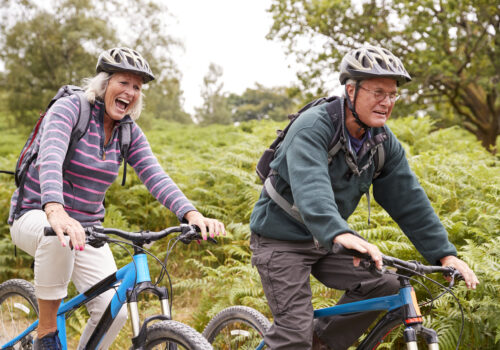
Cycling is an excellent way to cover more ground and get your heart pumping without putting unnecessary strain on your joints. Many older adults in the UK enjoy cycling along traffic free routes, canal paths, and park trails. If you have not cycled in a while, an electric bike can be a brilliant option, giving you a little extra assistance on hills while still providing an enjoyable workout.
Cycling UK and British Cycling both offer resources and guided rides tailored for older beginners, and many local areas have cycling clubs that welcome members of all ages and abilities.
Gardening
Gardening might not immediately spring to mind as an outdoor adventure, but it is one of the most popular and beneficial forms of physical activity for older adults. Digging, planting, weeding, and watering all engage different muscle groups, improve flexibility, and encourage time spent in fresh air and natural light.
Community allotments are an accessible for those without their own garden. They offer a social environment, a sense of purpose, and the deeply satisfying reward of growing your own food. Many local councils across the UK run allotment schemes with accessible plots designed for older or less mobile gardeners.
Wild Swimming and Water Based Activities
Open water swimming has grown in popularity across the UK in recent years, and it is not just for the young. Many older adults find that swimming in lakes, rivers, or the sea is both invigorating and deeply calming. The buoyancy of water is also gentle on joints, making it an excellent option for those with arthritis or other mobility considerations.
If full immersion feels like a step too far, paddling, kayaking, or joining a gentle open water swimming group are all good alternatives. Always swim with a companion or in a supervised location, and build up gradually if you are new to outdoor swimming.
Nordic Walking
Nordic walking uses specially designed poles to engage the upper body as well as the legs, providing a full body workout that burns more calories than regular walking while remaining low impact. It is particularly beneficial for older adults as the poles help with balance and stability, reducing the risk of falls on uneven terrain.
Nordic walking is growing in popularity across the UK and there are qualified instructors and clubs in most areas. The British Nordic Walking organisation offers a useful directory of local classes and walks, many of which are specifically aimed at older participants.
Please note:
Always speak to your GP before starting a new physical activity, particularly if you have a heart condition, respiratory illness, or other health concern. Your doctor can advise on what is appropriate for your individual circumstances.
Bird watching, Nature Trails, and Mindful Outdoor Activities
Not all outdoor adventures need to raise your heart rate. Birdwatching, nature photography, and guided nature trail walks are wonderful ways to spend time outside, engage your mind, and develop a deeper connection with the natural world. The RSPB runs events and nature reserves across the UK that are welcoming to older visitors, many of which have accessible paths and facilities.
These quieter forms of outdoor activity are particularly beneficial for mental wellbeing. Focusing on the sights and sounds of nature encourages mindfulness, reduces anxiety, and offers a gentle and enjoyable reason to get out of the house regularly.
How to Start Outdoor Adventures Safely as an Older Person
Speaking to Your GP Before Beginning a New Activity
Before you begin any new exercise programme or outdoor activity, it is always a good idea to have a conversation with your GP or practice nurse. They can give you an idea of what is appropriate for your current health, discuss any considerations you should be aware of, and may even be able to refer you to local exercise schemes through the NHS.
Choosing the Right Equipment and Footwear
Good footwear is essential for outdoor activity of any kind. Supportive, well fitting shoes or boots with a good grip can make a significant difference to your comfort and safety, particularly on uneven ground. Many outdoor and walking shops offer specialist fitting services and can advise on the best option for your needs.
If you are cycling, always wear a properly fitted helmet. If you are walking or hiking in more rural areas, a waterproof layer, a water bottle, and a charged mobile phone are all sensible precautions regardless of the season.
Starting Slowly and Building Confidence Over Time
There is no rush. The goal is to find activities that you enjoy and that make you feel good, not to push yourself to exhaustion. Start with shorter outings and build up gradually. Even two or three 15 minute walks a week is a great place to begin, and you can increase the duration and frequency as your confidence and fitness grow.
It is also completely normal to feel a little nervous about trying something new, particularly if you have been inactive for a while. Be kind to yourself, celebrate every outing as an achievement, and remember that every step outdoors is doing you good.
Outdoor Activities for Elderly People with Limited Mobility
Accessible Trails and Green Spaces in the UK
Limited mobility does not mean limited options. There are thousands of accessible green spaces, parks, and nature reserves across the UK that have been specifically designed or adapted to welcome people with a wide range of physical abilities. The Countryside Code and many national organisations including Natural England and the National Trust have invested in making the outdoors more accessible in recent years.
Many National Trust properties now offer all terrain mobility scooters, accessible paths, and sensory gardens. Similarly, the Forestry England network includes a large number of trails that are suitable for wheelchair users and those using mobility aids.

Adaptive Sports and Inclusive Outdoor Experiences
Adaptive sports programmes across the UK offer older adults with disabilities or limited mobility the chance to enjoy activities such as seated cycling, wheelchair accessible kayaking, and assisted walking trails. Organisations such as Parasport, and Active Partnerships work with local authorities to provide inclusive outdoor experiences that genuinely welcome everyone.
If you are unsure what is available in your area, Age UK and your local council leisure department are excellent starting points. They can help you find activities that are tailored to your specific needs and connect you with supportive local groups.
Finding Outdoor Groups and Clubs for Older Adults in the UK
Walking Groups
One of the most encouraging things about outdoor activity for older adults is the community around it. The Ramblers is the UK’s largest walking charity and runs thousands of group walks every year, ranging from very gentle strolls to more ambitious countryside routes. Membership is affordable and the organisation is known for being friendly and inclusive.
National Trust and Local Nature Reserve Programmes
The National Trust runs a wide range of outdoor events and programmes designed to help older adults get active and connected. From guided nature walks to volunteer gardening days, there are many ways to get involved, even if you are not a member. Some National Trust sites also offer discounted entry for those with disabilities.
Local nature reserves, managed by Wildlife Trusts across the UK, are similarly welcoming and often run regular guided walks, conservation activities, and social events that are open to people of all ages and abilities.
Age UK and Community Outdoor Activity Schemes
Age UK coordinates a range of programmes across England designed to help older people get active and connected with their communities. Their local branches often run walking groups, gardening clubs, and outdoor social events that are specifically tailored for older adults. Getting in touch with your local Age UK branch is a great first step if you are not sure where to start.
Outdoor Activities to Try in Every Season
The British weather might not always cooperate, but the outdoors is open all year round. Here are some ideas for staying active and adventurous across all four seasons.
- Spring is ideal for birdwatching, gardening, and gentle walks as wildlife begins to emerge and the days lengthen. Local parks and nature reserves come alive with colour and sound.
- Summer offers the perfect opportunity for open water swimming, cycling along coastal paths, and longer walking adventures. Early mornings are often the best time to enjoy the outdoors before the heat of the day.
- Autumn brings stunning colours to woodland and parkland walks. It is also an excellent season for foraging walks, nature photography, and visiting National Trust gardens as they change with the season.
- Winter does not have to mean staying indoors. Nordic walking provides added stability on frosty paths, and many walking and gardening groups continue to meet throughout the colder months. Walks around a local garden centre followed by a drink at the cafe is a great way to exercise throughout the colder months.
Frequently Asked Questions
What outdoor activities are safe for elderly people?
Most outdoor activities can be enjoyed safely by elderly people when approached at the right pace and intensity. Walking, cycling on flat routes, gardening, birdwatching, and Nordic walking are all popular and well suited to older adults. Always consult your GP before starting something new.
How can older adults stay active outside in the UK?
There are many ways to stay active outdoors in the UK. Joining a local walking group, visiting accessible National Trust properties, cycling along canal paths, or simply making time for a daily walk in your local park are all brilliant starting points.
Is hiking safe for elderly people?
Hiking can absolutely be safe for elderly people when you choose routes that suit your fitness level and take sensible precautions. Start with shorter, well marked trails, wear appropriate footwear, carry water, and let someone know where you are going.
What outdoor activities help with mental health in older age?
Spending time in nature has well documented mental health benefits for older adults. Birdwatching, gentle walking in green spaces, gardening, and group outdoor activities all help to reduce stress, ease loneliness, and improve overall mood and wellbeing.
How can elderly people stay active in winter?
Staying active outdoors in winter is entirely possible with the right preparation. Dressing in warm layers, wearing shoes with a good grip, and sticking to well maintained paths all help. Nordic walking poles provide extra stability on frosty surfaces, and many local walking groups continue to meet throughout the winter months.
Are there outdoor groups for older adults near me?
There are very likely outdoor groups in your area. The Ramblers, Walking for Health, Age UK, and your local council leisure department are all excellent starting points. A quick online search for walking groups or outdoor clubs in your town or city should bring up plenty of options.
Start Your Outdoor Adventure Today
It is never too late to discover a love of the outdoors. Whether you take your first steps on a local footpath, sign up to a community walking group, or dig over a plot at your nearest allotment, every moment you spend outside is an investment in your health, your happiness, and your quality of life.
The most important thing is simply to begin. Start small, be patient with yourself, and know that with every outing, you are doing something wonderful for your body and your mind. The great British outdoors is waiting for you, and it has never been more welcoming.
Important information
This article is intended for general informational purposes only. Always consult your GP or a qualified healthcare professional before beginning a new exercise or physical activity programme, particularly if you have an existing health condition. The statistics referenced in this article are sourced from the Office for National Statistics, NHS England, Sport England, Age UK, and the Alzheimer’s Society.