Last Updated: August 13, 2026
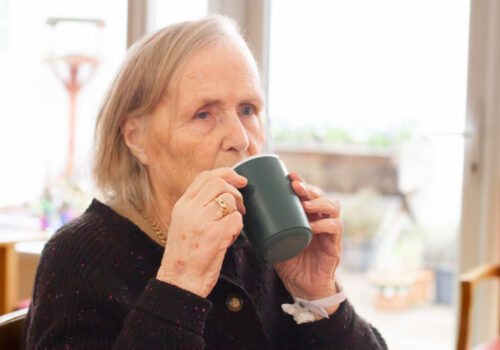
Aquarate offers some top tips to ensure older people and those with care needs stay properly hydrated.
As we age, our bodies undergo various changes that can impact on our health and wellbeing. One of the most important factors to consider when it comes to maintaining good health is hydration. In fact, staying properly hydrated is especially important for older people and those with care needs.
Health considerations
The human body is made up of about 60% water and staying hydrated is essential for many bodily functions. From regulating body temperature to lubricating joints and flushing out toxins, water is essential for maintaining good health. However, as we grow older, our bodies become less effective at retaining water, making it more difficult for us to stay hydrated.
This is why it is important for older people and those with care needs to pay close attention to their hydration levels. Dehydration can lead to a range of health problems, including fatigue, dizziness, confusion, falls and even hospitalisation or death in severe cases. In fact, dehydration is one of the most common causes of hospitalisation among older people.
Top tips
So, what can we do to ensure that older people and those with care needs are staying properly hydrated? Here are some tips:
1. Encourage regular water intake.
It is important to encourage older people and those with care needs to drink water regularly throughout the day. This can be done by offering water at regular intervals, setting reminders, making their drinks look appealing and offering alternatives such as milk, tea or juice. Most importantly, monitoring how much they drink is vital to prevent dehydration.
2. Monitor signs of dehydration.
Symptoms such as dry mouth, sunken eyes and decreased urine output/changes in urine colour are signs of dehydration and, if they are present, it is important to seek medical attention as soon as possible.
3. Consider dietary changes.
Certain foods, such as fruits and vegetables, contain high levels of water and can help to keep the body hydrated. Encouraging older people and those with care needs to eat a balanced diet that includes plenty of water-rich foods can help to maintain hydration levels.
Unique challenges
In addition to these tips, it is important to be aware of the unique challenges that older people and those with care needs may face when it comes to hydration. For example, older people may have difficulty accessing water or may be unable to communicate their thirst. Those with care needs may require assistance with drinking and may be at an increased risk of dehydration due to medications or medical conditions. Many older people may also reduce the amount of fluid they intake for fear of incontinence, especially throughout the night, but in fact, being dehydrated can make incontinence worse because the increased salts in concentrated urine irritate the bladder. So, it is important to reduce the worries around incontinence to make sure the people you care for stay hydrated.
Be proactive
It is very difficult to guess how much someone has had to drink just by observing. Usually, we overestimate the amount of fluid in a cup and cannot tell how much has actually been consumed. This is why it is beneficial to be able to measure exactly how much someone is drinking throughout the day, in order to be able to act proactively to prevent dehydration before it becomes an issue.
Additionally, with summer well on the way and temperatures rising, we should all pay extra attention to our hydration levels. Our bodies lose fluids through sweat which can cause us to become dehydrated faster and can even lead to heatstroke. This means, during higher temperatures, you may need to drink more to account for the fluid lost through sweat and remember to drink even if you don’t feel thirsty. Avoiding the sun or taking regular breaks in the shade is another way of staying hydrated, along with wearing light, loose-fitting clothes to keep cool. By following these tips, you can stay properly hydrated in hot weather and prevent dehydration and its associated health problems and, most importantly, enjoy a safe, healthy summer!
Essential guidance
By being aware of the concerns about dehydration and taking steps to address them, we can help to ensure that older people and those with care needs are staying properly hydrated and, ultimately, avoid dehydration. This cannot only help to prevent health problems but can also improve overall wellbeing and quality of life.
To conclude, by encouraging regular water intake, monitoring urine colour and signs of dehydration, and being aware of unique challenges faced by individuals that may stop them from drinking enough, we can help to ensure that those in our care are staying properly hydrated. Let’s make hydration a priority and help to promote good health and wellbeing for all.
More hydration tips can be found on Aquarate’s website