Last Updated: August 13, 2026
Loneliness is harmful to older people’s health and wellbeing. According to research from Age UK, 7% (1 in 14 people) aged 65+ the equivalent to 940,000 older people in the UK are often lonely. This article looks at the signs someone is lonely, risk factors, and practical ways to help older adults reduce loneliness and social isolation improving their quality of life.
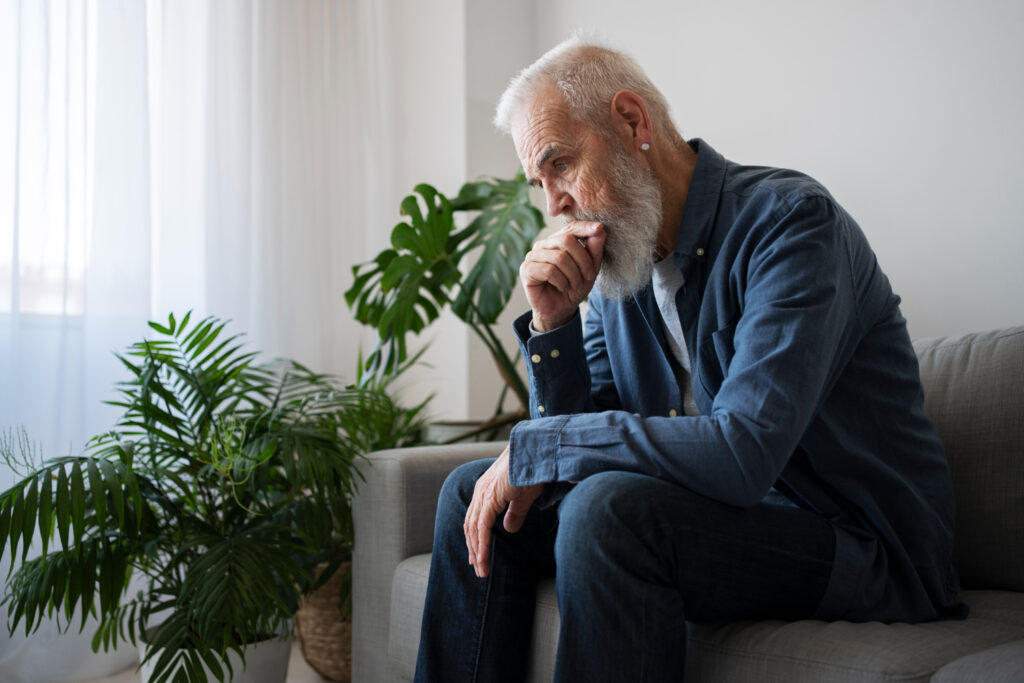
What is loneliness?
One way to describe loneliness, is as the feelings you experience when you don’t have social contact that is meaningful to you. Loneliness and social isolation are often lumped together, and while they are connected, they are not the same thing. Social isolation is a lack of social contact with others, loneliness is the feelings you experience when you are missing out on the right kind of contact.
Groups who are more prone to social isolation – like the elderly, are often more likely to experience feelings of loneliness because of their situation. However, you don’t have to be on your own to be lonely, you can feel lonely even if you are surrounded by other people.
If you are lonely, you might feel:
- Sad
- Anxious
- Tired
- Bored
- Hopeless
Understanding loneliness in older adults
As we get older, by default our circle can often become smaller. Families start families, people move away, and over time, friends pass away. Social isolation can be a real problem. Perhaps you are unable to access transport, or live rurally. Maybe you have been caring for a spouse and this has taken you away from other things you previously enjoyed. Health problems and old age can make it more difficult to get out and about, or mean you are unable to enjoy the same hobbies or sports as you used to.
Common causes and contributing factors include:
- Ageing
- Change in relationship
- Bereavement
- Change in routine – e.g. retiring and losing the social contact that comes with a job
- Health problems

The impact of loneliness on physical and mental health
Being lonely from time to time is normal and a part of everyday life. However, if it lasts a long time, it can negatively impact us.
The Mental Health Foundation’s study All the lonely people states that people who are often or always lonely have a higher risk of developing certain mental health problems, such as anxiety and depression, and that this kind of loneliness is also associated with increased thoughts of suicide
Loneliness also has the potential to impact our physical health, affecting our sleep quality and increasing our cortisol levels. It can contribute to increased risk of high blood pressure, reduced immunity, and higher chronic pain. It has also been linked to developing conditions like dementia.
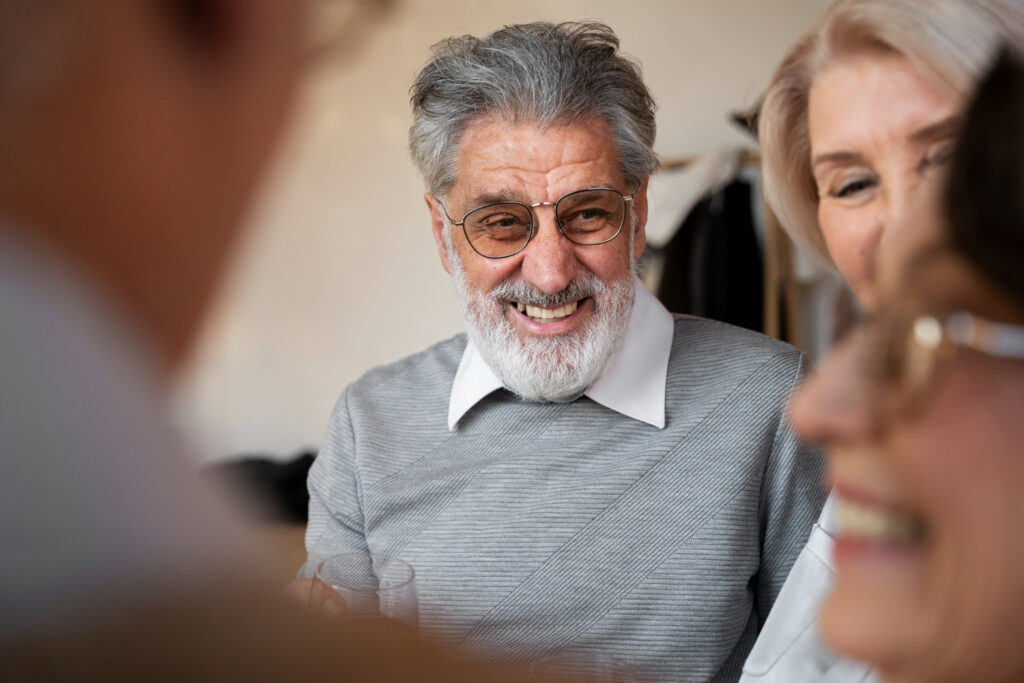
How to combat loneliness
Stay connected. Perhaps easier said than done, but meaningful social connection is a key way to minimise the effects of feeling lonely. Practical ways to help older people who are experiencing loneliness include:
- Talking
- Re-connecting with friends and family who may live far away using digital technology
- Taking up a hobby
- Joining an activity group
- Volunteering in the local community
- Self-care
We often look at the effects of social isolation on elderly people, but improving wellbeing doesn’t just have to be about getting out and about. Spend time with pets, do enjoyable things and try to stay busy. Even small activities can give you energy and positive feelings. Stimulate your mind – try listening to a podcast. Get active, even if this is just a stroll in the local park.
Elderly loneliness solutions: Practical steps to stay connected and where to find support

Use helplines and befriending services
The Silver Line Helpline is a free telephone service for older people aged 55 and over. It provides friendship and support 24 hours a day, 7 days a week. You can call free on 0800 4 70 80 90. Or visit the website for more information.
Reengage Call Companions is a telephone befriending service available to anyone aged 75 and over who’s socially isolated and would like a regular chat over the phone with a friendly volunteer. Get a Call Companion via this form on their website. A friend of family member can fill this out for you.
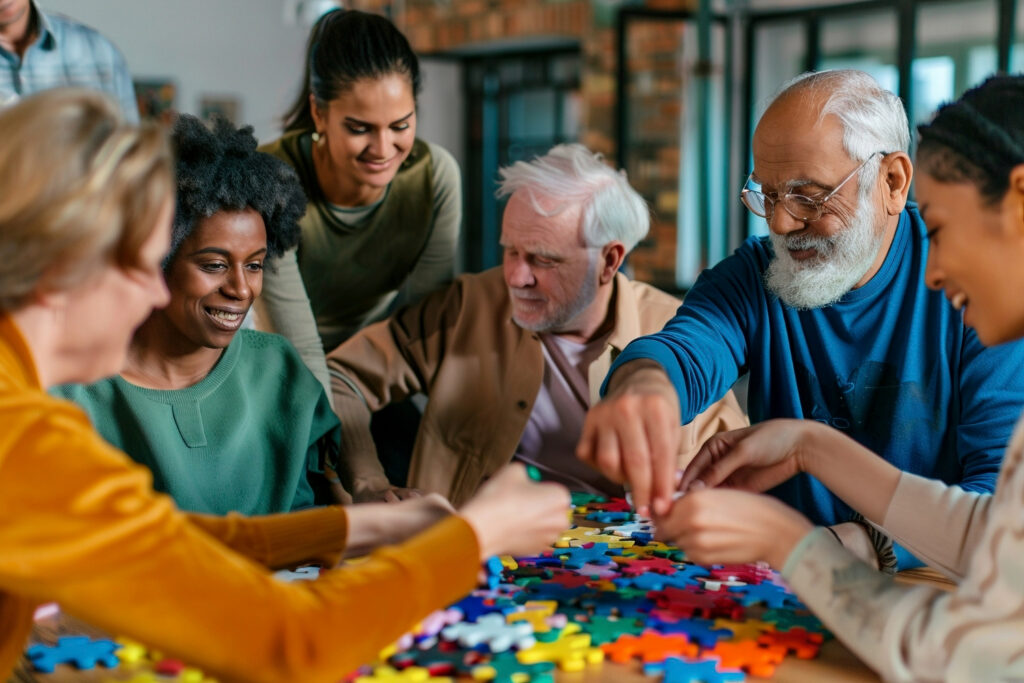
Find community activities and social groups
Joining a community group or club can be beneficial for lonely seniors. Search for befriending, social and activity groups near you on the Care Choices website: Useful Contacts | Befriending, social and activity groups. Or pick up a free, printed copy of your local Care Service Directory which includes listings of groups operating in your area.
Another good place to find support groups for lonely seniors is often your local library, community centre or town/village magazine.

Volunteer
Volunteering can be a great way for older people to re-connect socially. Many charity shops have volunteer opportunities for older people and the individual charity websites list those available (e.g. you can search Oxfam opportunities here.) You can always ask in person at your nearest shop too.
The website VolunteerMatch is a place where volunteers and nonprofits can connect. While not specific to older people, you can search for opportunities throughout the UK. This is their website.

Use technology to maintain communication with loved ones
Using the internet is a great way to socialise, especially if you are having trouble getting out and about. It can also be less scary than meeting people face to face when you are feeling low. Many online spaces are designed to bring people together. For example, a forum like Gransnet could be a way to help you feel more engaged with others.
Another way to leverage technology for social interaction, is to make use of video calls and social media to connect with family and friends. Facebook remains the most popular platform for the over 50’s, and it’s perfect for video calling relatives. This tutorial explains video calling on Facebook messenger, step by step.
Not confident digitally? Some organisations provide computer literacy training for older adults. Age UK and the Citizens Advice Bureau are good stops for these. You may also like to read our article, Staying Safe Online.
Looking to use technology for more than just keeping in touch? Take advantage of free online courses for learning new skills. Website Free Courses in England have a dedicated programme of free courses for the over 60’s. View the options here.
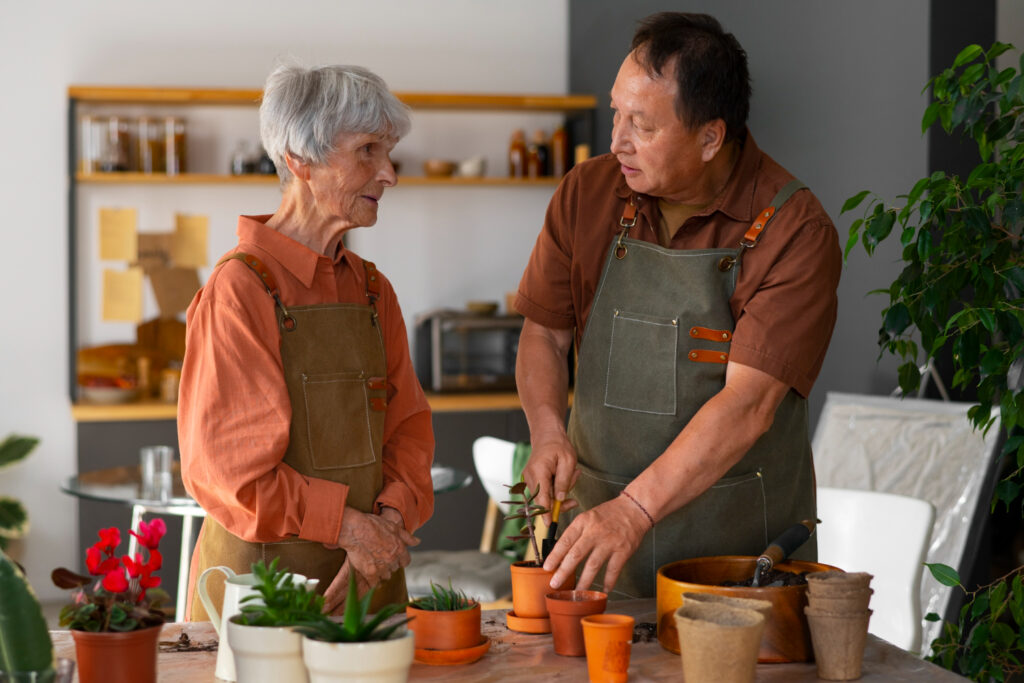
Explore new hobbies
Regardless of age, hobbies can enrich people’s everyday lives. For elderly people who may have more time to fill following retirement, hobbies not only bring enjoyment, but help break up the day and provide social interaction. Popular hobbies for older people include:
- Gardening
- Reading
- Arts and Crafts
- Photography
They don’t have to be outlandish or overly organised, they can be as simple as pastimes like card games with friends, using social media, or researching your family tree. For more ideas on things to try and how to get started, read our dedicated blog: 7 engaging senior hobbies to promote well-being.
Use a Social Prescribing Service
Your GP or healthcare professional might refer you to a Social Prescriber who can help you can help you access things like volunteering opportunities, classes and activities to improve your overall wellbeing. Speak to your doctor or practice staff to get a referral to a social prescribing link worker.
Get support from a bereavement group
Bereavement can cause loneliness in older people, especially if they lose a spouse or close friend. The AtaLoss.org website can help signpost you to local bereavement support groups. Look for groups near you here.
If someone you know has been bereaved, some simple things you can do to support them include:
- Keep in touch regularly following the death
- Help them to look after themselves – with meals for example, or around the house
- Offer help with paperwork
- Be on hand to listen if they want to talk
Conclusion
People experience loneliness differently and there are many factors that can contribute. There isn’t a one-size-fits-all approach that will work for everyone, but support is available.