Last Updated: March 27, 2026
For older adults managing one or more long-term conditions, taking the right medication at the right time can be life-changing. Yet across the UK, up to 50% of medicines are not taken as intended, a problem with real consequences for health, independence and NHS resources.
Whether you’re an older adult managing your own medications, a family carer supporting a loved one, or a home care professional, understanding the best medication reminder tools available can make a significant difference. In this article we will highlight five of the most effective approaches, from simple alarms to automatic dispensers, and help you choose the right one for your lifestyle and conditions.
Why Staying on Top of Medication Matters as We Age
For older people with conditions such as heart disease, diabetes, or respiratory illness, missing a dose can result in a decline in health. Research has linked regularly missing medication to a 17% higher risk of hospitalisation in adults aged 50 and over, while taking medication as prescribed has been associated with a 21% reduction in long-term mortality.
Not taking medication as prescribed, or taking the wrong medication also places pressure on the NHS. It is estimated that as much as £300 million is spent every year in England on unused or partially used medicines, which doesn’t include the costs of avoidable hospital admissions, repeat appointments and additional treatments.
With over-65s now making up 18.6% of the population in England and Wales, a figure that continues to rise, ensuring older adults can manage their medication safely has never been more important.

How Medication Reminders Improve Overall Health and Condition Management?
A good medication reminder system can help a person to build a consistent routine, reduce cognitive burden and provides reassurance for both the person taking medication and their support network. Studies show that structured reminder routines, whether through technology, organised dispensing, or human support, can meaningfully improve medication-taking rates, particularly for the elderly who manage complex routines.
The right medication reminder approach depends on the individual’s needs, preferences and their level of cognitive or physical ability. Below we explore the five most widely used and effective medication reminder methods for elderly people in the UK.
Reminder Tool #1: Alarm and Timer Systems
Simple alarms, whether on a watch, phone, or standalone device, are an accessible first step for people who are generally self-sufficient but need a reminder at the right time. They are low-cost, easy to set up and require no specialist equipment.
What should you look for?
- A loud, distinct alarm tone that can be heard clearly across a room.
- The ability to label each alarm (e.g. “morning blood pressure tablet”).
- Multiple daily alarms for complex regimens.
- Simple, large buttons that are easy to navigate for those with limited dexterity.
This method works best for people who are cognitively well and physically independent, but are less effective for those with memory impairment, where a more structured system is needed.
Reminder Tool #2: Organised Pill Boxes and Dosette Systems
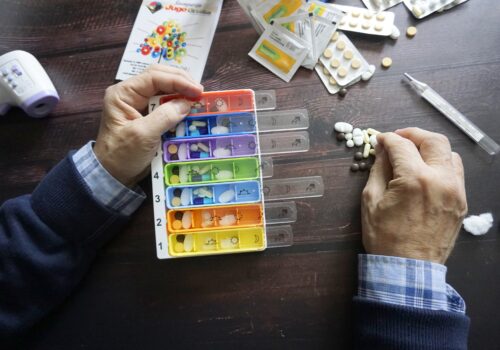
Pill organisers, also known as dosette boxes or blister packs, are one of the most popular and practical medication management tools for the elderly. These work by pre-sorting medications into labelled compartments by day and time of day, removing the daily knowledge about which tablet to take.
Benefits of using Pill Boxes:
- Provides an instant visual check of whether a dose has been taken.
- Reduces the risk of double-dosing or missing a dose.
- Can be pre-filled weekly by the person themselves, a carer or a pharmacist.
- Inexpensive and widely available from pharmacies and online.
- Some pharmacies in the UK can provide Monitored Dosage Systems (MDS) which is a professionally dispensed blister packs designed for those who need additional help remembering which medications to take at which times.
Dosette systems can be useful system for a person taking multiple medications at different times of day. They can be used in conjunction with alarm prompts so the person knows when to open the correct compartment.

Reminder Tool #3: Smartphone and Tablet Reminder Apps
Medication reminder apps offer features that go well beyond a basic alarm. Many apps allow users or carers to log all medications, set multiple daily reminders, receive refill alerts and even track medication-taking over time.
Pros and cons for elderly users
- Pros: These medication reminder apps are highly customisable, can notify family members remotely, are often free or low cost and, in some cases, can photograph medication labels for reference
- Cons: This method relies on the user owning and regularly charging a smartphone or tablet. Some older adults may find touchscreen interfaces confusing and apps are only useful if notifications are turned on and the device is to hand.
Popular apps include Medisafe and the MyTherapy app, which have prescription management features for patients in England. For technology-confident older people or those with a digitally aware family members, apps can offer an additional layer of control, tracking and support.
Reminder Tool #4: Automatic Pill Dispensers
For older people with memory difficulties or complex medication schedules, an automatic pill dispenser can be a reliable solution. These devices are pre-loaded (usually weekly) and dispense the correct dose at the right time, often with an audible alarm and flashing light to attract attention.
Best fit for multi-dose schedules
- Dispenses the correct tablets at the correct time, preventing access to the rest of the supply.
- Some models can alert a family member or carer or monitoring service if a dose is missed.
- Supports independence by reducing reliance on a carer being physically present at medication time.
- Particularly helpful for those with early-to-moderate dementia or other memory impairments.
- Upfront cost can be higher (£30–£200+ depending on the model), though some local authorities and care organisations may provide or subsidise them.
Several UK providers now offer connected dispensers as part of a telecare package, where missed doses trigger an alert to a named carer. This can provide peace of mind for families managing medication from a distance.
Reminder Tool #5: Personal Support from Carers and Family
Technology can’t replace the value of a trusted person who can offer a gentle reminder, check that tablets have actually been swallowed and spot early signs that something may be wrong. For many older adults, particularly those who live alone or who have memory or mental health challenge, support from family members or carers can be a reliable form of medication reminder.
When human reminders matter most
- When someone actively refuses to take medication, a carer can explore the reasons and communicate with the GP or pharmacist.
- When swallowing difficulties, side effects or confusion affect the ability to self-administer safely.
- When cognitive decline means the person cannot use technology or respond to prompts reliably.
- When emotional wellbeing is affecting motivation to engage with treatment.
Home care workers and professional carers often provide medication support as part of their regular visits. If you are arranging care for a loved one, it is worth confirming with any care provider what their medication support policy includes, and ensuring a clear record of all medications is maintained and accessible.
Choosing the Right Reminder for Your Situation
There is no one-size-fits-all answer. The most effective medication reminder systems are the ones that match the individual’s needs, preferences and support needs. The following factors can help guide your decision:
- Cognitive ability: For those with early memory decline, visual systems (dosette boxes) or dispensing machines offer more reliable prompts than alarms alone.
- Technology confidence: Smartphone apps can be excellent for tech-savvy older adults but frustrating and counterproductive if the device itself is a barrier.
- Complexity of the regimen: The more medications and separate dosing times involved, the more structured the system needs to be.
- Living situation: Someone living alone may benefit from a connected dispenser or remote monitoring; someone with daily carer visits can integrate medication checks into that routine.
- Budget: Simple alarms and dosette boxes cost very little. Automatic dispensers and telecare solutions involve more investment but may be partially funded through social care assessments.
Using more than one approach in combination is often the most effective strategy. For example, a dosette box filled by a pharmacist, an alarm reminder and a weekly check-in call from a family member together create a layered safety net.

Conclusion and Next Steps
Medication reminders elderly are one of the most important aspects of staying well in later life. Whether you start with a simple weekly pill box or invest in a connected automatic dispenser, proper medication management, even putting a basic system in place can meaningfully reduce the risk of missed doses and their consequences.
If you are looking for professional home care support that includes medication assistance, Care Choices can help you find regulated care providers in your area. A good care provider will work with you, your family and your GP to keep medication management safe, consistent and stress-free.
Frequently Asked Questions
What is the best medication reminder for someone with dementia?
For someone living with dementia, an automatic pill dispenser is generally the most reliable option. These devices dispense the correct dose at the correct time and restrict access to other tablets, removing the risk of double-dosing. Models with audible alarms and carer alert features add an extra layer of safety. A simple dosette box filled by a pharmacist, combined with direct support from a carer at medication time, is another practical approach for those in the earlier stages. In all cases, it is important to involve the person’s GP in any medication management plan.
Can the NHS help with medication reminders for elderly patients?
Yes. Community pharmacies in England offer the free NHS New Medicine Service, which provides follow-up support and adherence advice for newly prescribed medicines. Pharmacists can also supply Monitored Dosage Systems (pre-packed weekly blister packs) for eligible patients. GPs and primary care pharmacists can carry out Structured Medication Reviews to simplify complex regimens. If medication management is becoming unsafe at home, a local authority care needs assessment may identify eligibility for funded support such as home care visits or telecare equipment, including automatic dispensers.
What should I do if an elderly person refuses to take their medication?
Medication refusal in older adults is more common than many people realise, and it is important to approach the situation with patience rather than pressure. Begin by gently exploring the reason, it may be an unpleasant side effect, a difficulty swallowing, confusion about what the tablets are for, or a feeling of loss of control. Once you understand the concern, speak to the prescribing GP or community pharmacist. They may be able to change the formulation, adjust the timing, simplify the regimen or explain the purpose of each medication in a way that resonates. Carers and healthcare professionals should always respect the person’s capacity to make decisions, and where capacity is in question, appropriate safeguarding procedures should be followed.
Sources
1. CPD Online College — Medication Adherence & Patient Outcomes: https://cpdonline.co.uk/knowledge-base/care/medication-adherence-patient-outcomes/
2. Barnett (cited in ResearchGate) — Medication Adherence: Where Are We Now? A UK Perspective: https://www.researchgate.net/publication/273883281_Medication_adherence_Where_are_we_now_A_UK_perspective
3. Oxford Academic / Age & Ageing — Medication usage change in older people (65+) in England over 20 years: findings from CFAS I and CFAS II: https://academic.oup.com/ageing/article/47/2/220/4237359
4. ILC UK — £125 billion lost each year across Europe due to non-adherence to medication: https://ilcuk.org.uk/125-billion-lost-each-year-due-to-non-adherence/
5. NICE — Medicines adherence: involving patients in decisions about prescribed medicines and supporting adherence: https://www.nice.org.uk/guidance/cg76
6. Age UK — Health & Wellbeing Resources: https://www.ageuk.org.uk/information-advice/health-wellbeing/
7. British Geriatrics Society — Polypharmacy: A need for standardised assessment and management: https://www.bgs.org.uk/polypharmacy-a-need-for-a-standardised-assessment-and-management-of-elderly-patients-with
8. ONS — Population estimates for the UK, England and Wales (18.6% aged 65+ figure): https://www.ons.gov.uk/peoplepopulationandcommunity/populationandmigration/populationestimates